



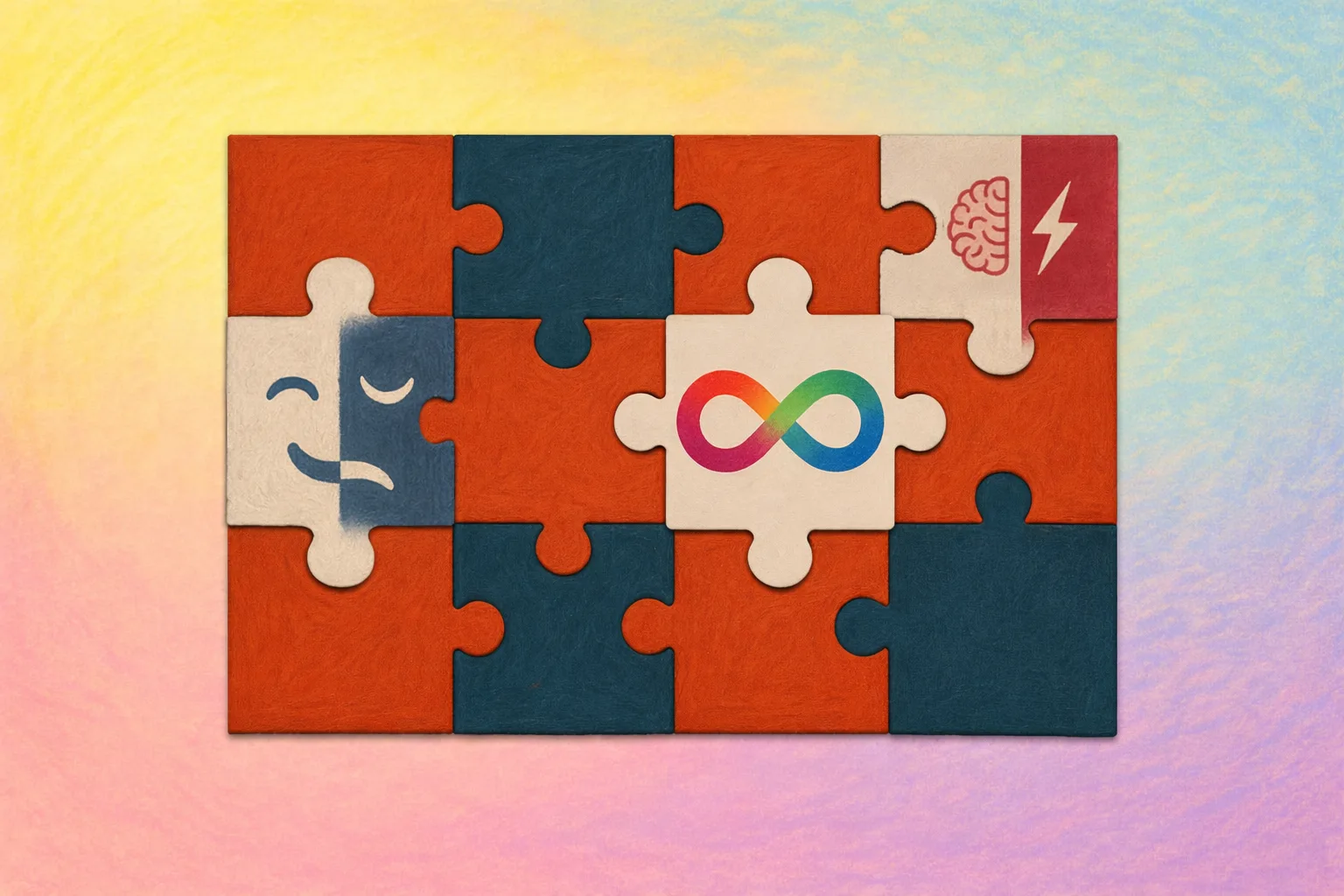
My autism diagnostic journey began relatively early: the first atypical signs were spotted by my mother’s doctor when I was 18 months old. Apparently, I was sorting and organizing toys instead of playing with them in his waiting room. He then told my mother to keep an eye on me. And then… nothing for 20 years, before I received my bipolar diagnosis, was identified as very highly gifted thinking it explained my atypicalities, and finally discovered the missing piece — autism — at age 25.
When I learned that many of the characteristics attributed to gifted individuals had no scientific foundation, the realization hit like a bomb. The further I went, the more I questioned four years of accumulated knowledge — four years during which I had myself passed along that information. It went against everything about how I function. Eventually, the buildup of frustration got the better of me: I went into meltdown. The cognitive load was too heavy to carry — I had to revisit everything I thought I knew, and above all, the explanation for my atypicalities had been reduced to nothing.
Back to square one: an answer was still missing — one that giftedness had tried and failed to provide. I was finally going to discover how it had nevertheless shaped my way of being, in a very different way than what I had imagined over those four years.
The origin of the diagnostic process
What happened next? It all started with a joke — or rather, an offhand remark. I was in a phase of hypersocialization to expand my circle (following advice and trying to meet women). This mass socializing gradually burned me out, requiring a superhuman social effort that I believed was necessary.
The joke, the unlikely origin
Then one evening, when I was on the edge of the abyss, I told my best friend that I couldn’t understand human signals. I was analyzing every facial expression and vocal modulation in real time, and despite that, I couldn’t perceive signs of interest from women. So I joked, “I must be autistic.”
It’s important to understand that I knew almost nothing about the condition beyond a few basics that came from… various searches I had done at age 16, before my first manic episode pushed the topic aside. This was at a time when autism was not yet very visible in the media, and I had noticed similarities in the diagnostic descriptions. Originally, the idea came to me from the character Sheldon in The Big Bang Theory.
The idea gradually takes up more space
I left it at that sentence, which had sounded more like a small joke than anything else because, from what little I knew about the condition, I did not consider myself compatible with it. But it was enough to plant the seed. Once home, I initially ignored the subject, but it kept returning to my thoughts. What if what I had started nine years earlier wasn’t so absurd after all? So I began new research.
In nine years, a lot had changed in scientific knowledge, and articles on the subject had multiplied. We no longer spoke of Asperger’s syndrome or the other former labels, but of ASD (autism spectrum disorder). Resources were plentiful. I multiplied my research, starting with media articles before diving into the scientific literature, which was full of fascinating material.
Like a true scientist, I formed my own view on the subject from dozens of sources. Within a few days, autism had become a genuine special interest. It went beyond a simple desire to find an answer — I was simply fascinated by what I was learning.
Meanwhile, my first autistic burnout
At the same time, one final evening of socializing drained what little social energy I had left, and I experienced a violent shutdown… that did not end. Days passed without my energy returning, and I focused what little I had into reading about ASD. I constantly ate the same thing — it was simpler. I lived with the shutters closed because my eyes could no longer tolerate the brightness. Going grocery shopping was torture. Eventually, through my research, I came across the concept of autistic burnout. It seemed to fit.
When I brought it up to my psychiatrist
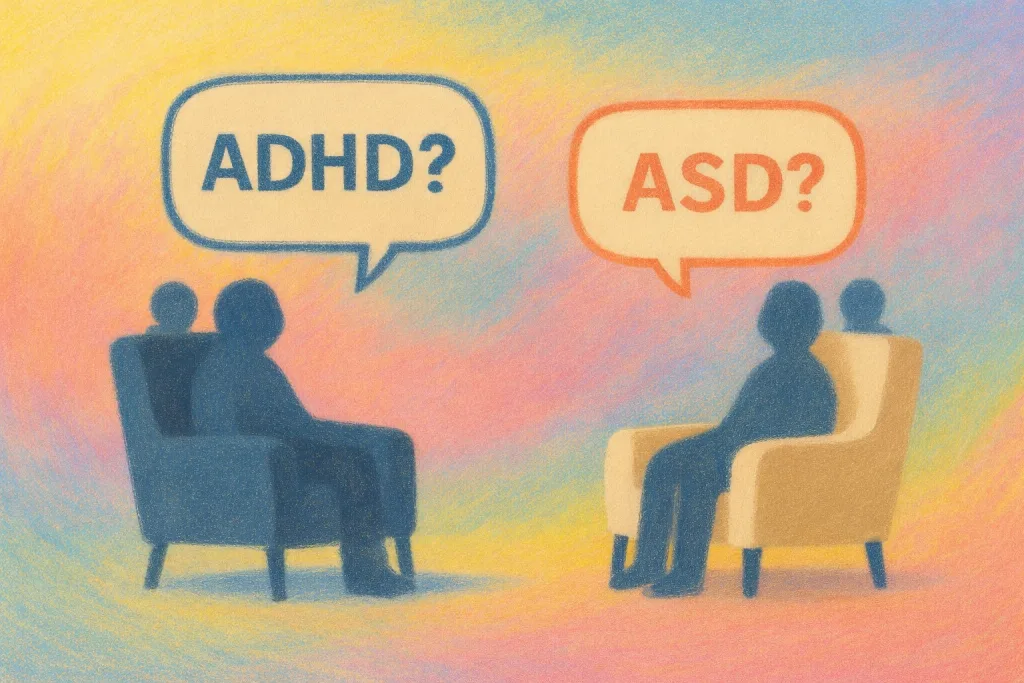
At the time, I was being followed at a CMP (public mental health center) by an exceptional psychiatrist, who had several times told me that she found my bipolar disorder atypical in an otherwise typical form. In my mind, it didn’t take more than that to understand that if it was atypical, it might be explained by this missing puzzle piece — autism. So I brought it up to her, and she replied with ready-made stereotypes, dismissing the idea but supporting the possibility of “a bit of ADHD,” which this time I rejected.
She did admit, however (and to her credit), that she was not competent on the subject of autism. She suggested I undergo a diagnostic procedure at Sainte-Anne Hospital for this possible ADHD, and I followed her recommendation, giving her the benefit of the doubt.
The beginning of the diagnostic process
I began the diagnostic process by going to Sainte-Anne. What I didn’t know was that the unit that would assess me was actually specialized in autism. When I arrived in front of the psychiatrist at the expert center, armed with a referral letter, I explained why I had come, the period of intense fatigue I was going through, and the disagreement with my psychiatrist.
The procedure changed. We moved from ADHD-focused questions to questions I immediately understood were oriented toward ASD. I was surprised, but I tried to answer as best I could. The interview ended, and the psychiatrist asked me to schedule a new appointment that would take place with my mother. I asked why. She explained that she wanted me to follow the ASD diagnostic pathway. It hit me like a shock: a simple hypothesis was becoming the beginning of reality.
A five-step diagnosis
Unlike the bipolar diagnosis, the ASD diagnostic process is much more complex. In total, it cost me five half-days — five extremely exhausting half-days in the middle of burnout.
First step: the ADI-R
The first step was my mother completing the ADI-R. This is a questionnaire about early childhood, one of the most widely used diagnostic tools in autism. It took place in my presence, contrary to usual recommendations. I was told this was because parents often forget many details from early childhood. In my case, it left me confused and doubtful about the diagnosis for years. As the test progressed, more and more signs of ASD accumulated.
The anamnesis
The second step was the anamnesis, this time with a neuropsychologist. She retraced the most important points of my life history, the signals that might have indicated ASD, and more generally how I had come to begin this process. The interview was long but less taxing than what followed. Several additional appointments were then scheduled.
The IQ test… again!
Starting with the WAIS-IV, the IQ test used worldwide, which had already resulted in a THPI identification four years earlier. However, the neuropsychologist wanted me to take it again to assess my strengths and difficulties. I approached the test like a game, as before, but now with the limitations brought on by autistic burnout. The test felt less obvious — not because it was harder, but because my cognitive functions were impaired. The test exhausted me; the neuropsychologist even granted me a break, but I imploded once I got home: my first shutdown in this battery of tests.
Tests related to ADHD
The third step involved ADHD-related tests: working memory, executive functions overall, and various attention tests to evaluate exactly where my difficulties lay. Unsurprisingly, divided attention and sustained attention were my weakest areas. The tests were tedious and mentally draining. Back home, another shutdown.
Social cognition tests
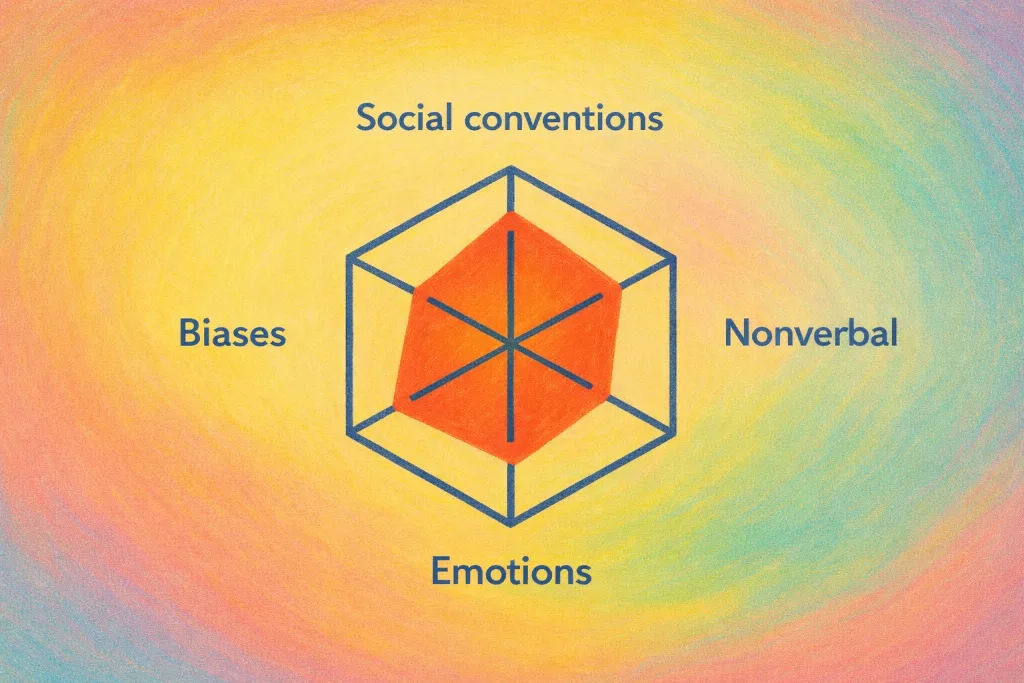
Finally, the last hurdle: social cognition tests lasting between 2 and 3 hours, four in total:
- Social conventions depicted in drawings that I had to identify and understand
- A film with social interactions and various theory-of-mind questions about what was happening (intentions, thoughts, and emotions of the characters)
- Photographs of faces whose corresponding emotions I had to identify
- A test assessing my cognitive biases (e.g., persecution bias)
This one did not trigger a shutdown but still exhausted me significantly. I was finally done with these tests. All that remained was to wait for the neuropsychologist’s feedback and the psychiatrist’s official diagnosis.
Results of the neuropsychological assessment
Months passed without news before the neuropsychologist contacted me for the feedback. Results:
- I sometimes identified social conventions but was just as often wrong, and sometimes even invented them
- I greatly underinterpreted nonverbal signals but also greatly overinterpreted them
- I could identify some emotions (notably joy and anger) but had major difficulties with others (anxiety, fear, disgust)
She told me she presumed an autism diagnosis but left the official confirmation to the psychiatrist.
The psychiatrist’s report
I then went to a new appointment with the psychiatrist. Somewhat timidly, I asked what she thought of my case, and I learned that my diagnosis had been established right after the ADI-R — well before the neuropsychological assessment — as the results had exceeded the thresholds by a wide margin.
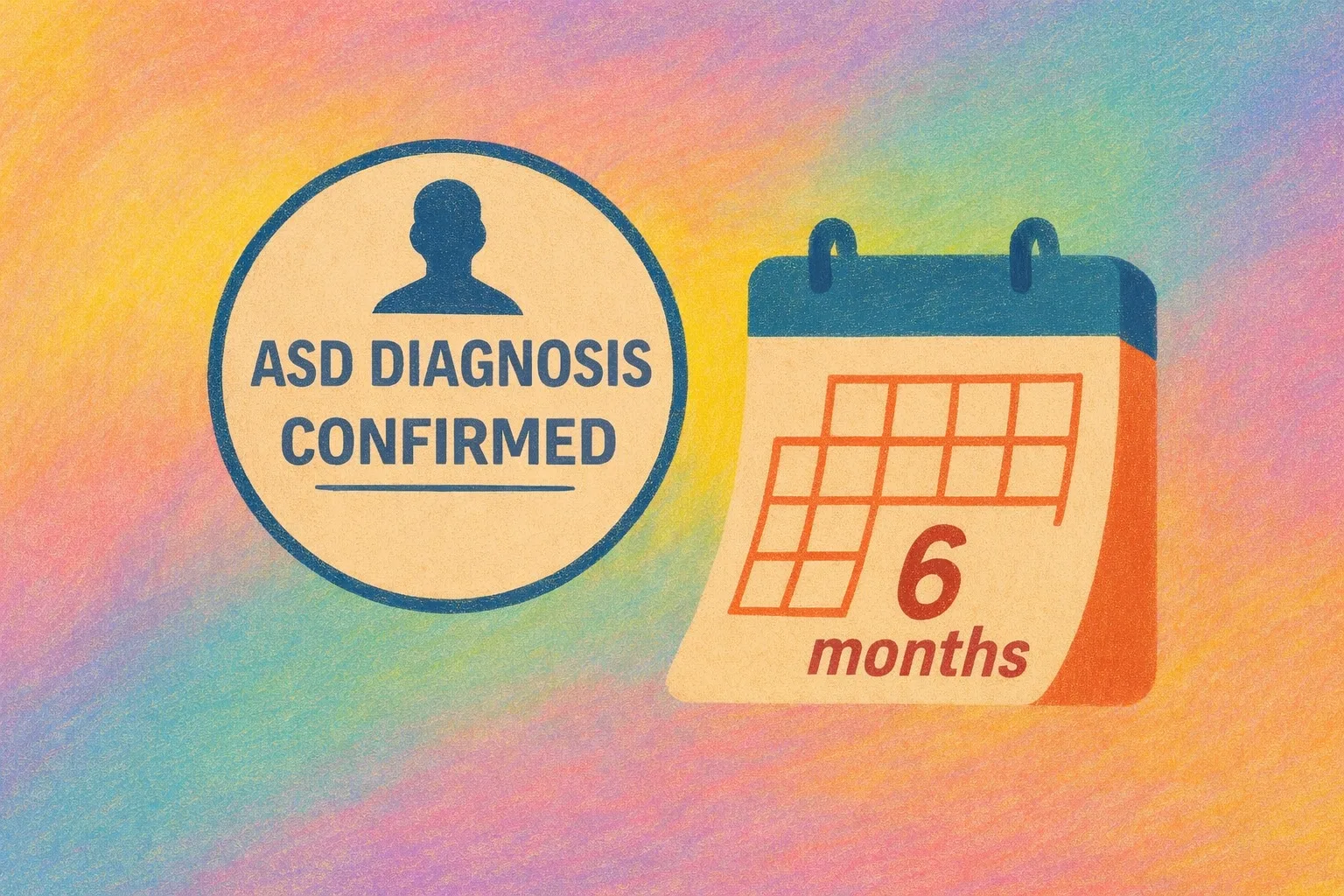
I found this quite disconcerting: how is it possible to learn, with a six-month delay, about a diagnosis of such importance? Regardless, I was even more unsettled by her answer. It was no longer just the beginning of a reality — it was reality: I officially had the right to call myself autistic and to put words to 25 years of feeling out of sync with the rest of the world.
Doubt nevertheless lingered for four years before I fully accepted the diagnosis, notably because of that ADI-R session I should not have participated in if the protocols had been followed to the letter.
My diagnostic story finally comes to an end, at the cost of extremely demanding cognitive efforts that almost made me abandon the process many times.
I am autistic, even if I don’t yet feel legitimate in claiming that label. In fact, my high intellectual potential probably contributed greatly to my ability to mask my autistic traits since childhood, and my bipolar disorder has repeatedly flattened my autistic traits. I need to deconstruct my entire life and analyze it thoroughly — which I will do intensively.
Next: accepting the diagnosis, in the following episode.
